Yes, dogs in public need to be leashed. We get it, the temptation to let your dog roam free is real. But before you unclip that leash, consider this: the safety of your pet, others, and even yourself could be at risk. Do dogs have to have a leash in public? Yes, they do.
Always Leash Your Dog In Public
Here are ten data-backed reasons why leashing your dog in public spaces is crucial:
1. Preventing Traffic Mishaps: Unleashed dogs wandering into traffic is a significant concern. According to the American Veterinary Medical Association (AVMA), thousands of dogs are injured or killed in traffic accidents each year due to being off-leash. A leash provides a vital layer of protection, minimizing the risk of such tragedies.
2. Respecting Personal Space: Leashed dogs are less likely to approach or brush up against unsuspecting individuals. Research by the Centers for Disease Control and Prevention (CDC) shows that millions of people are bitten by dogs annually, with a significant portion of these incidents occurring in public settings. Respecting others’ space by keeping your dog leashed reduces the likelihood of such encounters.
3. Preventing Aggressive Interactions: Off-leash dogs often escalate playful interactions into aggressive encounters with other pets. According to a study published in the Journal of the American Veterinary Medical Association (JAVMA), leash-related conflicts are a leading cause of dog-related injuries in public spaces. Keeping your dog leashed helps mitigate potential conflicts and promotes safer interactions.
4. Reducing Cat Incidents: Unleashed dogs may chase or attack cats, leading to injuries for both animals. The American Society for the Prevention of Cruelty to Animals (ASPCA) reports numerous incidents of dog-on-cat aggression, with off-leash situations increasing the risk of such encounters.
5. Compliance with Leash Laws: Many municipalities enforce leash laws in public areas to ensure public safety and animal control. Violating these laws can result in legal consequences, including fines and penalties. Data from local animal control agencies highlight the enforcement of these regulations to maintain order and prevent incidents.
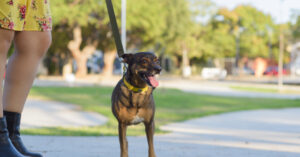
6. Legal Obligations: Failure to leash your dog in public can result in citations from law enforcement officers. Municipalities across the country have enacted leash ordinances to uphold public safety standards and reduce the risk of dog-related incidents.
7. Limiting Exposure to Hazards: Off-leash dogs are more prone to encountering hazardous substances or materials, including toxic plants, scat ,wildlife, and discarded food items. Veterinary data reveals numerous cases of poisoning and ingestion-related emergencies due to off-leash exploration. Keeping your dog leashed minimizes exposure to potential hazards and safeguards their well-being.
8. Enhancing Recall in Public: Distractions in public spaces can challenge even the most obedient dogs’ recall abilities. Research conducted by animal behaviorists emphasizes the importance of leash training in reinforcing control and responsiveness, especially amidst external stimuli.
9. Preventing Accidents and Injuries: Unleashed dogs can inadvertently startle or intimidate others, leading to accidents or injuries. Data from emergency departments highlight the prevalence of dog-related injuries in public settings, with off-leash incidents contributing significantly to these statistics.
10. Avoiding Inter-Dog Conflicts: Instances of multiple dogs ganging up on or attacking leashed dogs are not uncommon. Reports from animal control agencies and pet advocacy groups underscore the risks associated with off-leash encounters, emphasizing the need for responsible pet ownership and leash compliance.

Be a responsible pet parent. Leashing your dog isn’t just about following the rules; it’s about prioritizing safety, respect, and community well-being. So, next time you head out with your dog or dogs, remember: a leash could be the difference between a fun outing and a potentially harmful incident.
Trailblaze responsible pet ownership with us, for them!
#LeashForSafety #ResponsiblePetOwnership
Sources:
– American Veterinary Medical Association (AVMA)
– Centers for Disease Control and Prevention (CDC)
– Journal of the American Veterinary Medical Association (JAVMA)
– American Society for the Prevention of Cruelty to Animals (ASPCA)
– Local animal control agencies
– Veterinary emergency data
– Animal behavior researc