Dog Behaviorists are specialists who understand why dogs behave the way they do and help pet owners address serious behavior problems.
The term “behaviorist” is unregulated. There are certified dog behaviorists, which means there are some that are not certified. The highest level of dog behaviorist is DACVB. DACVB stands for board-certified veterinary behaviorist. The most well known DACVB in San Diego is Dr. Patrick Melese.
In a dog-loving city like San Diego, knowing when and how to seek a dog behaviorist can be key to a happier life with your canine companion. This comprehensive guide explains what dog behaviorists do, the science and history behind their work, how they differ from dog trainers, and even typical costs of hiring a dog behaviorist in San Diego.
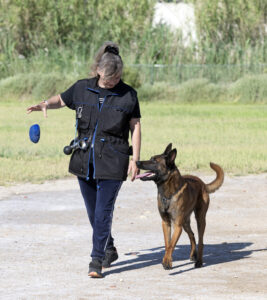
What Is a Dog Behaviorist?
A dog behaviorist is an animal behavior expert who specializes in understanding and modifying canine behavior. Unlike a basic dog trainer, a behaviorist digs into why a dog is acting a certain way and develops a plan to address the root cause. They are trained in animal psychology and learning theory, using behavior modification techniques to treat fear, anxiety, aggression, and more.
What Does a Dog Behaviorist Do?
- Assess behavior: Observe your dog and take a detailed history.
- Identify causes: Pinpoint why problem behavior occurs (e.g., fear, trauma).
- Create a plan: Customize a behavior modification plan.
- Coach the owner: Train humans as much as dogs.
- Ongoing support: Follow-up sessions to track progress.
When Should You Consider a Dog Behaviorist?
- Aggression toward people or animals
- Severe separation anxiety or phobias
- Reactivity to stimuli like strangers, dogs, or cars
- Compulsive behaviors (tail chasing, licking)
- Sudden behavior changes with no medical cause
History and Scientific Basis
The field combines classical conditioning (Pavlov), operant conditioning (Skinner), and ethology (Lorenz, Tinbergen). Veterinary behavior became an official specialty in 1993 with the creation of the American College of Veterinary Behaviorists (ACVB).
Dog Behaviorist vs. Dog Trainer
- Trainers: Focus on obedience and manners
- Behaviorists: Address emotional and psychological issues
- Behaviorists: Often have advanced degrees or certifications
- Veterinary behaviorists: Can prescribe medication
Certified vs. Non-Certified
The term “behaviorist” is unregulated, however, the following certifications are industry standards.
- DACVB: Board-certified veterinary behaviorist
- CAAB: Certified Applied Animal Behaviorist
- CDBC: Certified Dog Behavior Consultant (IAABC)
- CPDT: Certified Professional Dog Trainer (CCPDT)
Types of Certification:
DACVB – Veterinary Behaviorist
Veterinarians with board certification in behavior. They can prescribe medication and treat complex medical/behavioral issues.
CAAB – Certified Applied Animal Behaviorist
Professionals with a master’s or Ph.D. in animal behavior, certified by the Animal Behavior Society.
IAABC – Certified Behavior Consultant
Experienced trainers/consultants certified by the International Association of Animal Behavior Consultants.
CPDT – Certified Dog Trainer
Credentialed trainers certified by the Certification Council for Professional Dog Trainers. Look for CBCC-KA for behavior specialization.
How Much Does It Cost?
- Veterinary Behaviorists: $700–$1,000+ for initial consults
- CAABs: $300–$600
- CDBC/CPDTs: $250/session
Costs vary based on credentials, session length, severity of the issue, and travel. Some insurance plans may cover veterinary behaviorist visits.
Links to Certification Organizations
- American College of Veterinary Behaviorists (ACVB)
- Animal Behavior Society (CAAB)
- International Association of Animal Behavior Consultants (IAABC)
- Certification Council for Professional Dog Trainers (CCPDT)
Use these tools to find behaviorists.