Even the Sweetest Rescue Dogs Can Bite: A Lesson in Patience, Trauma, and Compassion

At Vet Mother Earth, we deeply believe in the healing power of the human-animal bond. We celebrate rescue stories, second chances, and the magic of adopting a pet in need. But every so often, a painful and rare story surfaces—one that reminds us of a difficult truth: not every dog is ready for every home. And dog bite statistics aren’t something to ignore, especially when children are in the house.


Sean Lowe’s Dog Bite Story:

In March 2025, TV personality and former Bachelor star Sean Lowe experienced a terrifying and confusing ordeal when his recently adopted rescue dog, Moose, attacked him—not once, but twice within 12 hours.

Sean and his wife adopted Moose, a rescue boxer, in January. There were no signs of aggression. The dog had been bonding well with the family—until a backyard BBQ changed everything. Smoke from the grill blew into the home and triggered the fire alarms. While trying to wave away the smoke with a towel, Moose suddenly turned.

At first, the dog nipped at the towel. Then he bit Sean’s hand. When Sean firmly said “No,” Moose launched into a full attack. Despite being 220 lbs., Sean struggled to fight the dog off. He described it as terrifying: “I feel him just ripping into the flesh of my arm… I’m doing everything I possibly can just to fend this dog off.”

The very next day, Moose attacked Sean again. Police bodycam footage confirmed the second dog attack on Lowe was just as violent. Sean was hospitalized twice in 12 hours.

And yet, Sean’s response has been compassionate. He’s working with a no-kill shelter and animal control to determine the safest and most humane path forward for Moose.


View this post on Instagram


A post shared by Sean Lowe (@seanloweksu)


Pet Parent Lesson: Trauma Doesn’t Knock Before It Enters

Moose may have suffered trauma before adoption—possibly involving fire, smoke, or loud noises. That trauma might have remained hidden during the so-called “honeymoon period,” when many rescue dogs appear calm and affectionate. But all it takes is one unexpected trigger—like the sound of a smoke alarm— or even a flailing towel to activate a survival response: fight, flight, or freeze.

In Moose’s case, it was fight.

When a dog enters that panic state, even the person they trust most can become a perceived threat. That’s why understanding a dog’s nervous system and dog trauma history—especially when it’s unknown—is critical in responsible pet ownership.


The Uncomfortable Truth: Most Dog Bites Happen at Home With Known Dogs

Dog bites are far more common than most people realize—and most don’t come from random strays or unfamiliar dogs.

  • According to the American Veterinary Medical Association (AVMA), over 4.5 million people are bitten by dogs each year in the U.S.
  • More than half of those bitten are children.
  • The CDC reports that over 80% of bites involve dogs familiar to the victim.

 
In other words, it’s not about fear—it’s about awareness. Responsible dog ownership includes knowing the risks and preparing accordingly, especially in homes with children.

Rescue dogs need our love, but they also deserve our vigilance, structure, and patience.

And just because a dog seems happy and gentle for the first few weeks, doesn’t mean you’ve seen their full behavioral range.


Love Them Enough to Go Slow

Responsible pet ownership is about more than affection and treats. It means going slow. Being mindful. Giving your dog time and space to adjust to new people, routines, and environments. Setting boundaries. Watching for signs of stress. And never assuming that pets, hugs, and kisses alone will heal trauma overnight or prevent future incidents.

Any dog may bite, so let’s all be more mindful, understanding, and compassionate with ourselves and our dogs.

The AVMA states: “Any dog can bite: big or small, male or female, young or old. Even the cuddliest, fuzziest, sweetest pet can bite if provoked. Remember, it is not a dog’s breed that determines whether it will bite, but rather the dog’s individual history and behavior.”

At Vet Mother Earth, we don’t share stories like Sean Lowe’s to incite fear—we share them to deepen understanding. Dogs, just like people, carry invisible scars.

So let’s build a world where animals are respected, not just rescued. Where trauma is acknowledged, not dismissed. And where love means not just bringing a dog into our home—but creating the environment they need to heal, grow, and thrive

.

Why do dogs bite?

Dogs may bite for a variety of reasons. Dogs can bite in a stressful situation, it may bite to defend itself or its territory,  or if they are scared or have been startled or feel threatened. Plus dogs may bite to protect something (resource guarding) that is valuable to them, like their puppies, their food, a bone or a preferred toy.

Dogs might also bite if they are sick, injured or not feeling well.

Pro-tip: It’s a good idea to  avoid wrestling or playing tug-of-war with your dog because some dogs with these activities can make them overly excited, which may lead to a dog bite.

Pro-tip: Let a sleeping dog lie. Doing so may result in you being bitten. This timeless “let sleeping dogs lie” proverb goes back centuries. Listen to your elders!

Want to learn more about dog bite prevention? National dog bite prevention week takes place this April 2025.

 
How can you prevent dog bites?

According to the AVMA – don’t scream or yell and speak calmly and firmly.

Avoid eye contact. Try to stay still until the dog leaves, or back away slowly.


More tips to prevent dog bites:

Learn how to read your dogs body language

Never leave young children alone with a dog, even if it seems friendly.

Don’t pet dogs on their head when you first meet them and especially if they are eating or sleeping.

Supervise all interactions between children and dogs inside and outside.

Never disturb a dog while it’s eating or waiting for food, sleeping or trying to go to bed, or caring for puppies.

Avoid disturbing a dog that appears to be hiding, scared, trembling, agitated, or angry.

Don’t approach unfamiliar dogs.

Don’t run past a dog.

Avoid making loud noises or sudden movements around a dog.

Don’t try to pet a dog without letting it see and smell you first: let the dog show you through positive behavior that they want to be touched or engaged. Don’t force interactions.

Don’t reach through fences or into vehicles to pet a dog even if it seems friendly.

If you are approached by a strange dog, remain calm and slowly back away, averting eye  contact. If a dog approaches you and sniffs, stay still and don’t immediately attempt to pet, especially the head.
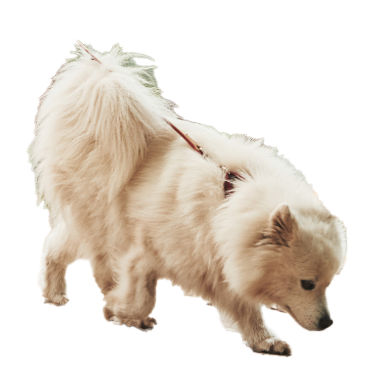
 

Do you want to rescue a dog in the USA? 

Try using the most utilized rescue dog website: Petfinder

If you’re looking for rescue or foster dog organizations in San Diego, don’t hesitate to reach out to the many options here